Transition your summer sheer curtains into cozy fall window layers to keep your home feeling warm and inviting as the temperature drops. I swapped out my airy IKEA Lenda panels last September and instantly noticed a difference in both warmth and mood. The key is layering textures and weights without losing all the natural light. Here’s exactly how to do it without buying a whole new window wardrobe.
Why Cozy Fall Window Layers Work Better Than Heavy Drapes Alone
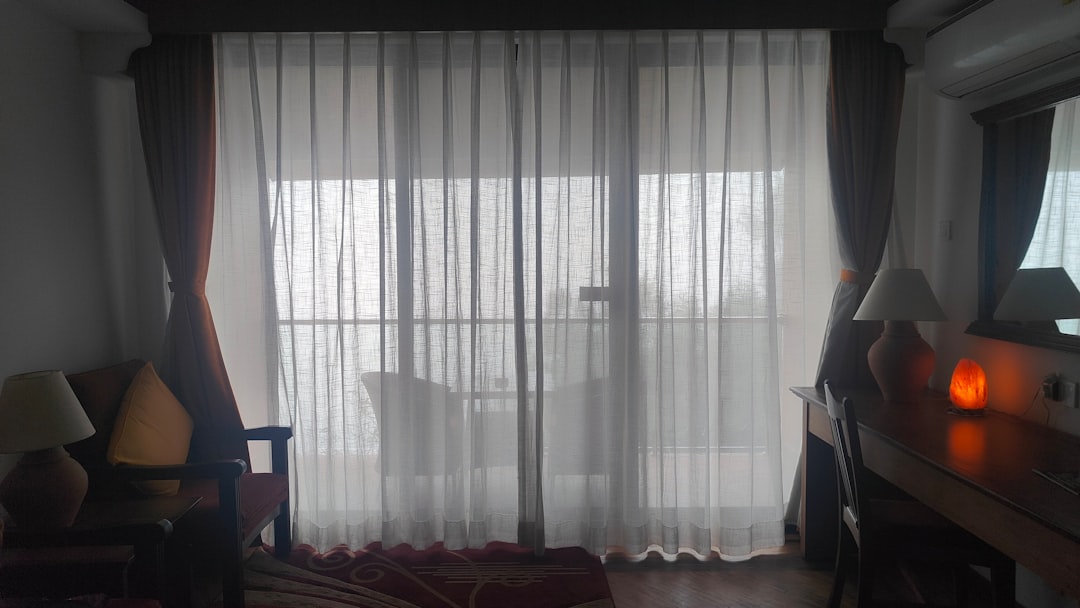
Most guides recommend swapping sheers for thick blackout curtains, but I find that approach makes rooms feel dark and cramped. Instead, keep your existing sheers and add a second layer on top. This technique traps air between the fabrics, which improves insulation — similar to how a thermal insulation layer works in your walls. The sheers still filter light during the day while the outer layer blocks drafts at night.
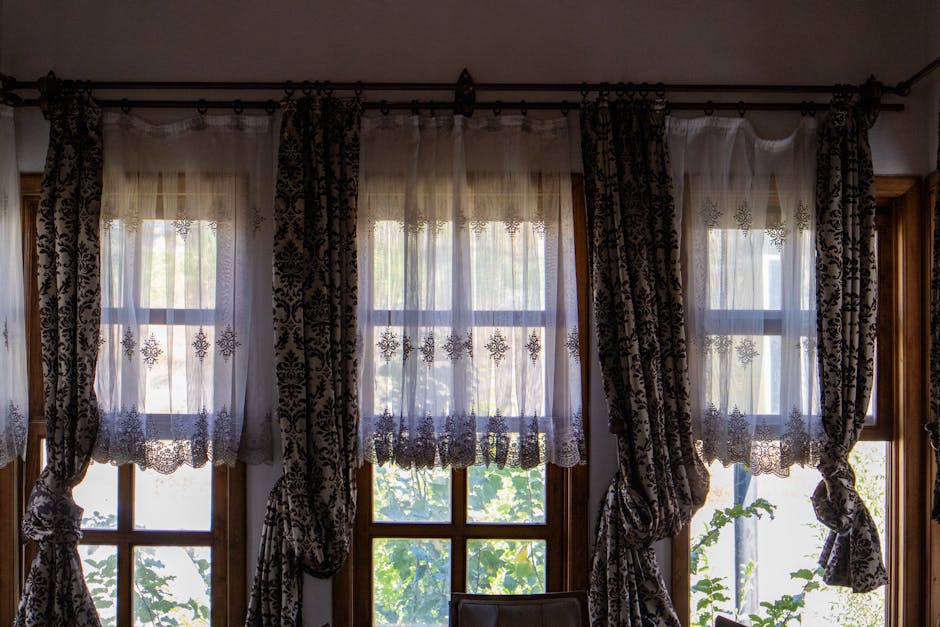
My sister insisted on removing her sheers entirely last fall and regretted it by November. She ended up adding them back because the room felt too cave-like. Layering lets you adjust based on the weather — pull the heavy drapes closed on chilly evenings and open them during sunny afternoons.
Choose the Right Outer Layer for Your Space
For the outer layer, look for fabrics with weight and texture. Velvet panels from West Elm run around $79 each and add instant richness. Linen blends from Target Threshold cost about $35 per panel and give a more casual look. I opted for a rust-colored velvet that plays off the neutral sheers I already had.
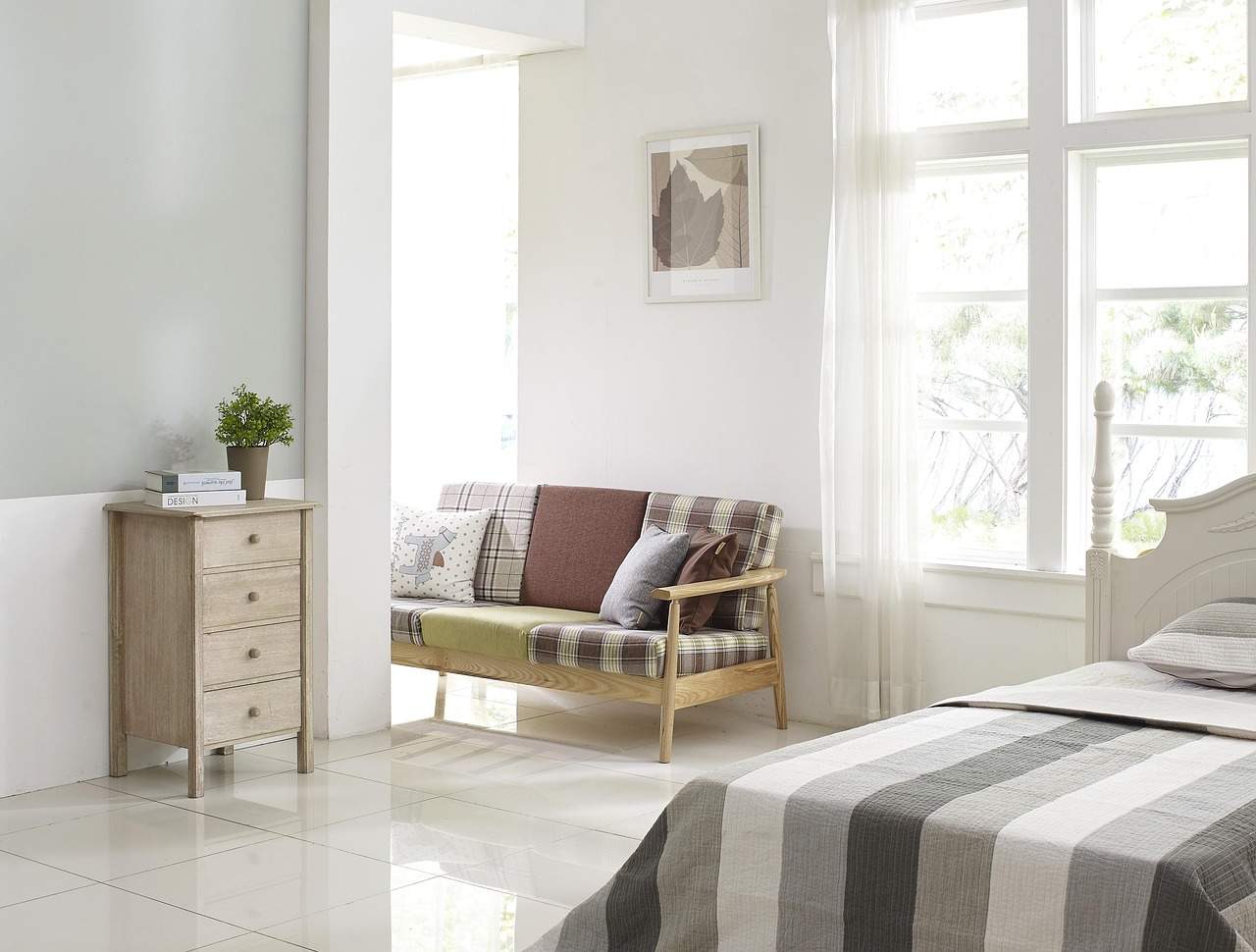
Consider the length carefully. Floor-length drapes (touching the floor by 1/2 inch) look polished and help seal out cold air. If your sheers are short, extend the rod higher — mount it 4-6 inches above the window frame to create the illusion of taller windows. This trick makes the cozy fall window layers feel intentional rather than patched together.
Layer with Seasonal Accents That Add Warmth
Once the main layers are in place, add small touches that reinforce the seasonal shift. Tie back the sheers with a chunky knit scarf or a strip of faux leather for textural contrast. I used a cream cable-knit throw from H&M (around $25) as a curtain tieback — it doubles as decor when not in use.

Swap your curtain hardware too. Brushed brass or dark bronze rods feel more autumnal than silver or nickel. A set of brass finials from Amazon costs under $15 and can completely change the look. These small upgrades complement other seasonal changes, much like the thoughtful touches in beauty sleep 101 tips that transform your nightly routine.
Adjust Light Filtering with Smart Layering Tricks
One concern I hear often is that heavy curtains block too much light. The solution is to layer the outer panels so they only cover the sides, leaving the center of the window open during the day. Install the rod wide enough that the drapes sit just outside the window frame when open. This lets your sheers do their job while the velvet stays mostly decorative until dusk.
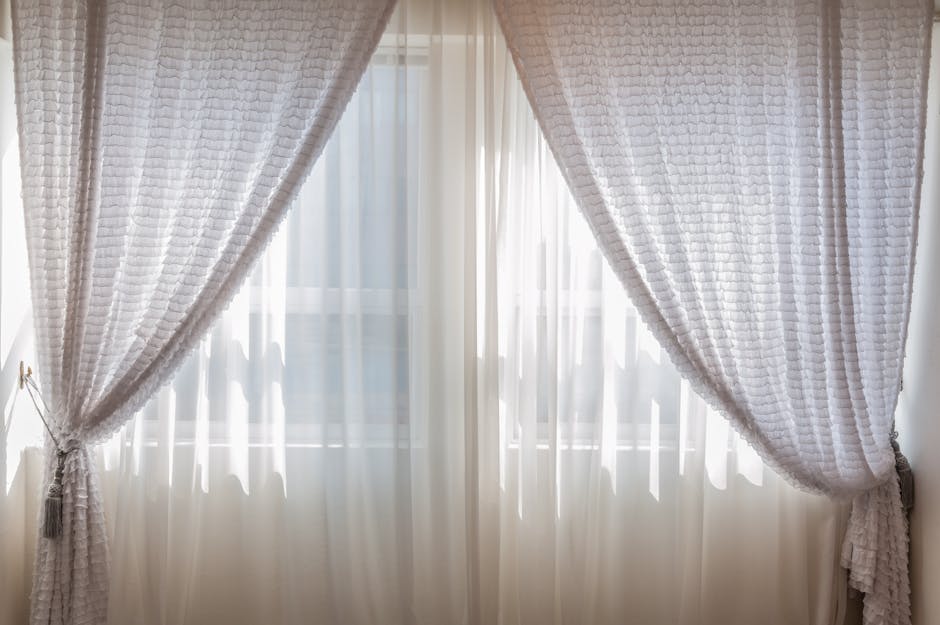
For an even more flexible setup, use a double curtain rod. The front rod holds your sheers, and the back rod holds the heavier panels. You can slide the heavy panels to the sides independently. This system costs about $30-50 for a basic rod set from IKEA or Amazon and gives you total control over light and privacy. It’s a simple upgrade that makes cozy fall window layers work in any room.
Budget-Friendly Alternatives to Expensive Drapes
If velvet or linen panels aren’t in your budget, get creative with what you already own. Flat bed sheets in fall colors (try Threshold flannel sheets at $25) can be clipped onto a second rod with ring clips. They hang like real drapes and cost a fraction of the price. Another option: thrift store curtains in wool or heavy cotton — I found a pair of maroon wool curtains for $8 that look custom after a quick steam.
The goal is to create warmth and texture, not to match a catalog. Mixing patterns works if you keep one element consistent — like matching the rod finish or keeping the sheers white. For more inspiration on creating a cozy home environment, check out cashmere clothing guides that emphasize layering textures for comfort. This approach to window treatment design has been used for centuries to balance light and insulation.
The easiest way to start is by keeping your summer sheers and adding one new element — like a pair of rust velvet panels or a chunky knit tieback. Test it in one room first, ideally the living room or bedroom where you spend the most time. You’ll likely notice the room feels warmer and more inviting within minutes. And when spring comes, just remove the outer layer and your sheers are ready to go again.